Readings: October 3-9

We’ll gather for our monthly encouragement and sharing on Wednesday, October 6 at 7:30 p.m. via Zoom. Join through this link or Meeting ID: 886 7583 8454, Passcode: westbury
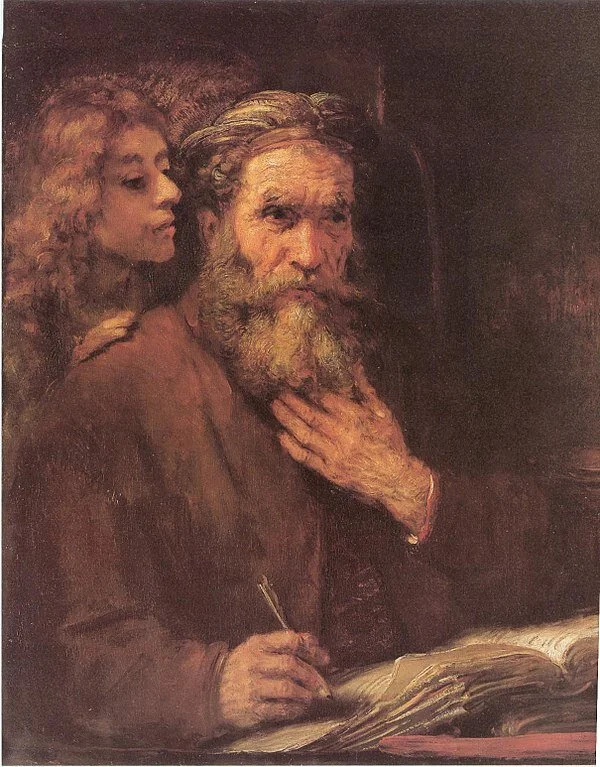
As we finish our time in Matthew, consider how the central and most extended teaching of Jesus in the Bible, the Sermon on the Mount in Matthew 5-7, create tension for Jesus’ ministry and ultimately bring about his crucifixion. For the whole Passion narrative of Matthew 27-28, take note of Jesus’ demeanor through trial and death as well as how Resurrection justifies the ministry of Jesus.

As we begin the gospel of Mark, you’ll immediately notice how quickly Mark moves through the story of Jesus. There is not birth narrative, and hardly a word is wasted in the narrative.

Recent scholarship considers Mark as the earliest recorded gospel, due to how the stories in Mark are replicated in Matthew and Luke. But tradition has placed Matthew first. This describes what scholarship calls the synoptic problem, which provides different theories for how Matthew/Mark/Luke came to share a common set of stories & teachings.

Day One: Matthew 20-22

Day Two: Matthew 23-24

Day Three: Matthew 25-26

Day Four: Matthew 27-28

Day Five: Mark 1-3

Day Six: Mark 4-6

Guest User
Readings: September 26 - October 2
Epiphany (1988), John August Swanson

Epiphany (1988), John August Swanson

We’ve arrived in the New Testament, and our introduction is through Matthew’s genealogy. Not clearly apparent is the numerology behind this opening. The deliberate sectioning of fourteen generations into three groups sums up to spell out D-V-D or David. Matthew prepares us to meet the fulfillment of so many promises.

With the prophets so fresh on our minds, consider whether Jesus answers the longing of so many generations. What might trouble Jewish believers who had been waiting in silence for hundreds of years after the last prophets spoke? How does Jesus both subvert and fulfill the messianic expectations of the people?

As we’ll be reading four gospels - one after the other - pay attention to the portrait of Jesus in each gospel. How would you describe him?


Day One: Matthew 1-4

Day Two: Matthew 5-7

Day Three: Matthew 8-10

Day Four: Matthew 11-13

Day Five: Matthew 14-16

Day Six: Matthew 17-19

Guest User
Readings: September 19-25
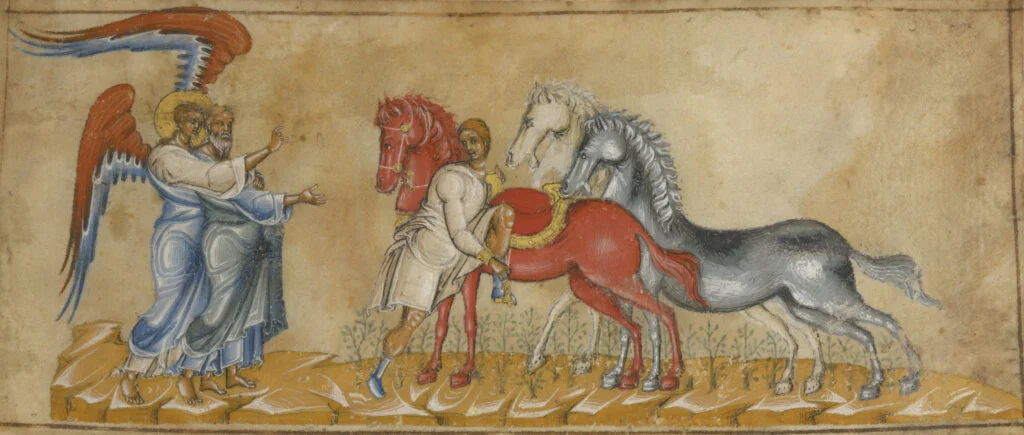
The Vision of Zechariah (about 1300), Unknown - Italian

The Vision of Zechariah (about 1300), Unknown - Italian

Y’all - we did it! We will finish our Old Testament readings this week. And while the prophets can get repetitive, try and notice the subtle differences between each book. For example, in this final week’s reading:

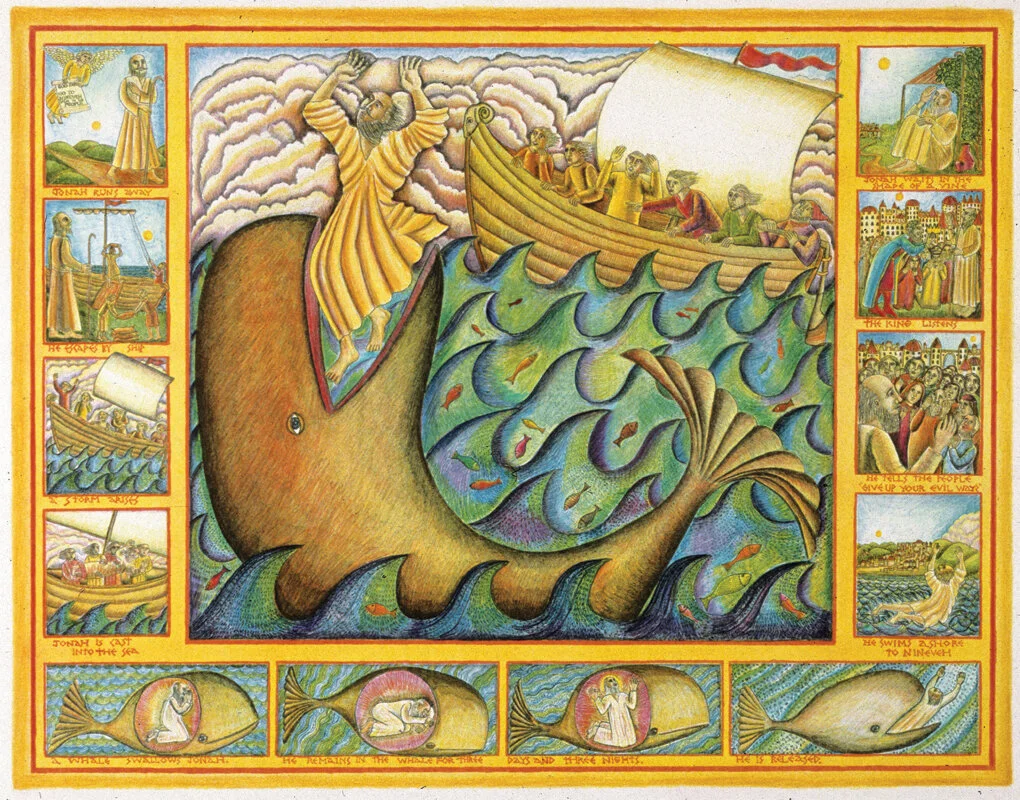
  • Nahum pronounces doom upon Nineveh, just a few pages after their deliverance in Jonah

  • Habakkuk channels Job as he questions why the wicked prosper

  • Zephaniah brings a promise of a remnant right before the people will be crushed by Babylon

  • Haggai moves us post-exile and asks the people to rebuild the Temple

  • Zechariah, our longest reading this week, deploys fantastic visions - right in line with Daniel, Ezekiel, and Revelation - to seed hope among the returning exiles

  • Malachi has the final word in the Christian canon (remember the Hebrew Bible ends with Chronicles), and the messenger (i.e. literal meaning of Malachi) warns of complacency and ends with the promise of Elijah’s return

May you find hope in these prophets’ words… and a call to faith-filled action.

Day One: Nahum & Habakkuk

Day Two: Zephaniah & Haggai

Day Three: Zechariah 1-5

Day Four: Zechariah 6-10

Day Five: Zechariah 11-14

Day Six: Malachi

Guest User
Readings: August 29 - September 4

We’ll gather for our monthly encouragement and sharing on Wednesday, September 1 at 7:30 p.m. via Zoom. Join through this link or Meeting ID: 886 7583 8454, Passcode: westbury

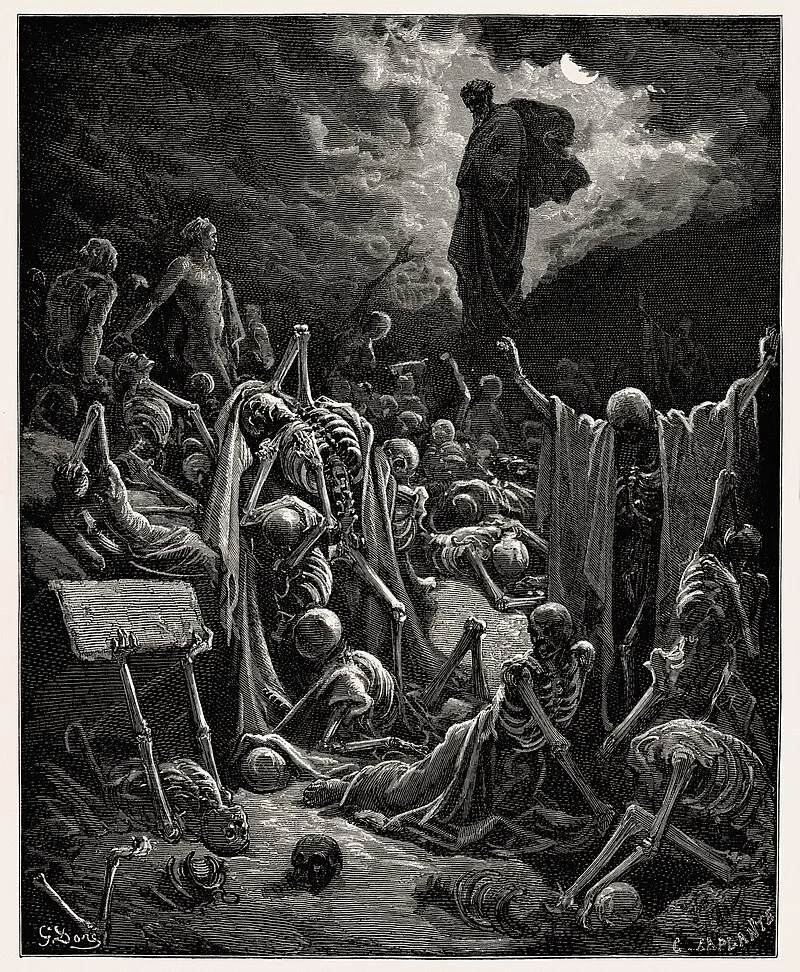
The Vision of The Valley of The Dry Bones (1866), Gustave Doré

The Vision of The Valley of The Dry Bones (1866), Gustave Doré

Last week we followed Ezekiel down the path of judgment and heartbreak culminating with the death of the prophet’s wife. The readings this week begin the message of restoration. And we start with oracles against the neighboring nations, because no one is innocent and free of blame.

The theological work of Ezekiel centers on how to bring hope after so much devastation. And so we get some of the most lasting metaphors in all Scripture. Something new must happen.

God’s people need a new heart - one of flesh and not stone. The dramatic vision of a valley full of dry bones where each body is hauntingly brought back to life. And ultimately, Ezekiel describes a new Temple and the moving glory of God returns. There is a river that begins to flow, bringing life again.

Day One: Ezekiel 25-28

Day Two: Ezekiel 29-32

Day Three: Ezekiel 33-36

Day Four: Ezekiel 37-39

Day Five: Ezekiel 40-43

Day Six: Ezekiel 44-48

Guest User