Readings: August 22-28
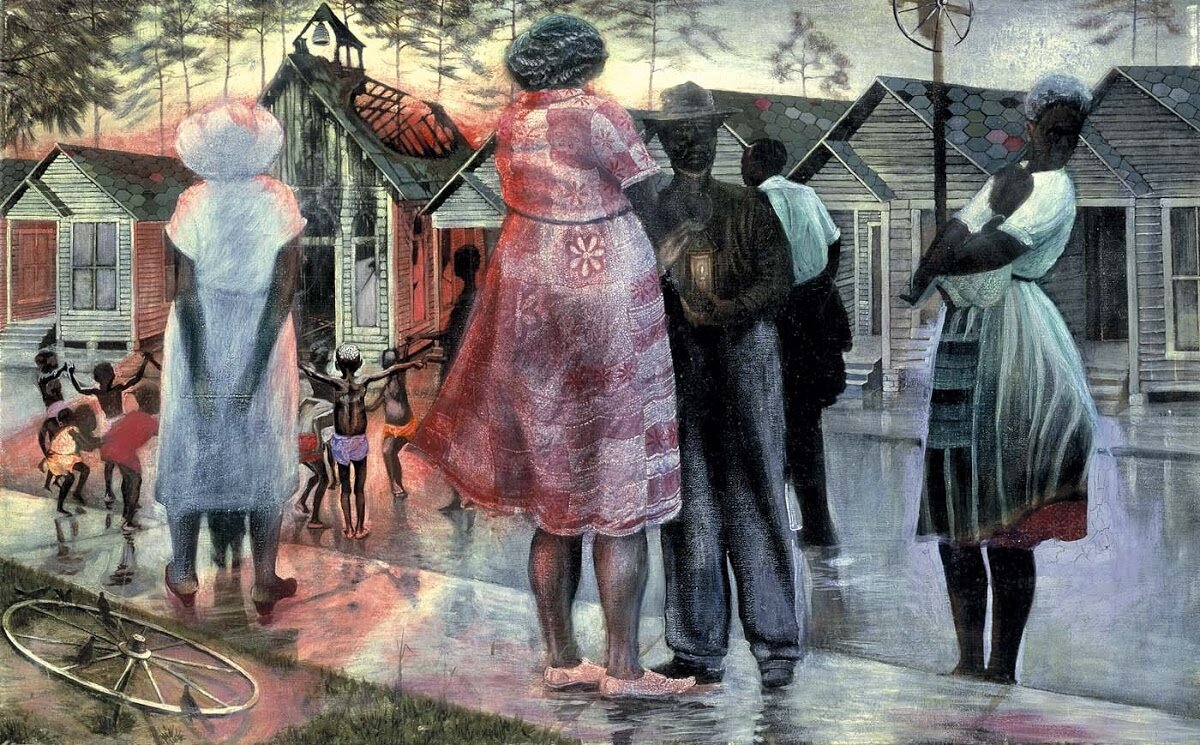
Shotgun, Third Ward #1 (1966), John T. Biggers

Shotgun, Third Ward #1 (1966), John T. Biggers

We begin two weeks with the prophet Ezekiel. The book opens with the prophet sitting with the exiles by a river in Babylon when suddenly he sees a fantastic vision of God’s glory. The symbolism invites our imagination but notice that God has wheels now. No longer is the presence of God confined to the temple, but somehow God is present with Ezekiel & the exiles in Babylon.

The book has divides neatly in half. Chapters 1-24 justify God’s actions in bringing disaster upon Judah. We see Ezekiel perform sign-acts as dramatic and painful as Jeremiah. Reading yet another prophet detailing the crimes and injustices of Judah (even worse than Sodom & Gomorrah) reminds us how devastating the exile must have been. And yet, next week we begin the turn toward restoration. But let us not leap too quickly, for the despair of Ezekiel is complete in the first half of the book. There is no hint of return, no hint of healing - simply defeat.

Day One: Ezekiel 1-5

Day Two: Ezekiel 6-9

Day Three: Ezekiel 10-13

Day Four: Ezekiel 14-17

Day Five: Ezekiel 18-21

Day Six: Ezekiel 22-24
Guest User
Readings: August 8-14
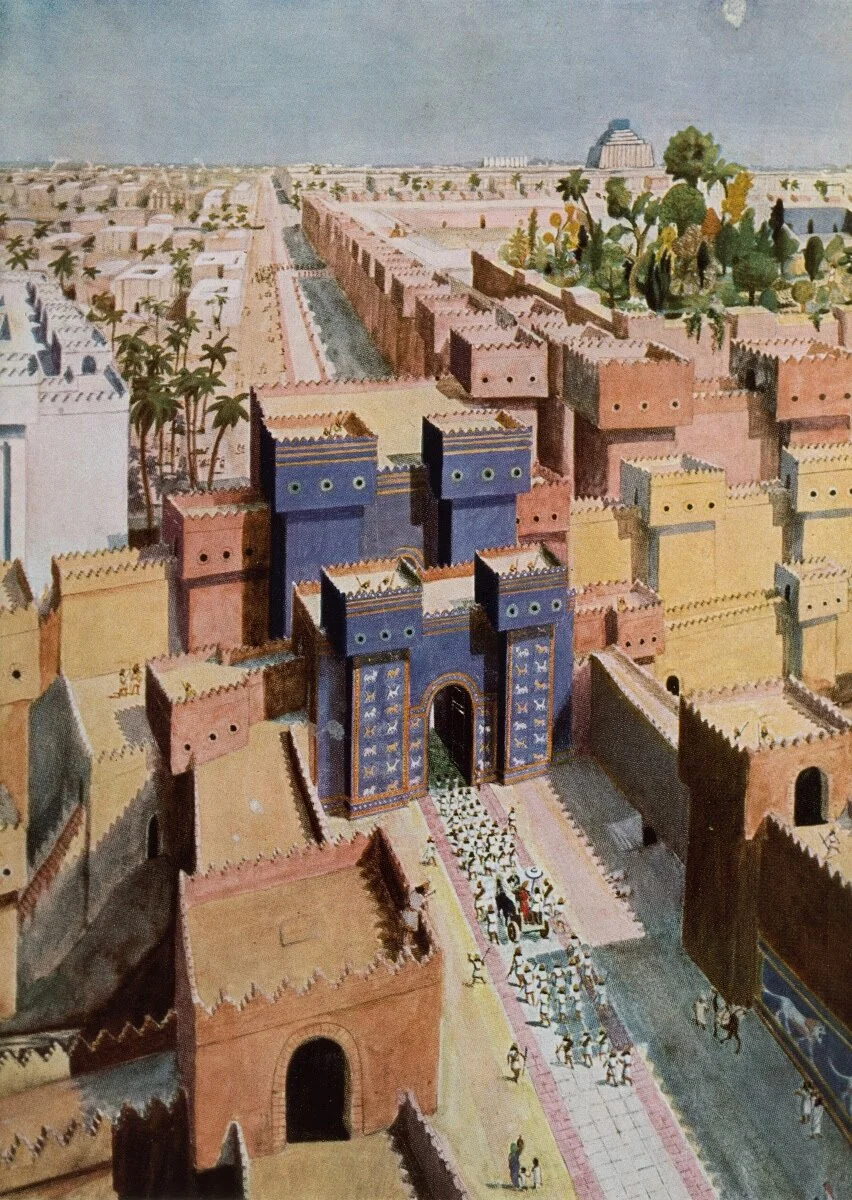
Holy Babylon of Nebuchadnezzar (1931), Herbert Anger

Holy Babylon of Nebuchadnezzar (1931), Herbert Anger

As we read deep into the book of Jeremiah, we engage with the work of a prophet. Pay attention to the change in tone as the chapters continue. From last week, Jeremiah is still hoping the people might repent and escape judgement. Slowly, Jeremiah becomes resigned to the inevitability of Babylon, and shifts his message to a hope beyond exile. Finally, Jeremiah will at times welcome judgement after his mistreatment.

We also see the creative ways that a prophet tries to communicate the word from the Lord. In our readings this week, we’ll see the use of linen undergarments (who knew we would be compared to that!), clay jars, baskets of figs, wood & iron yokes, and real estate purchases - all to proclaim what God is doing in Judah. The primary challenge is all the false prophets reassuring the people that “All is well” when Jeremiah has to hold onto a message of doom.

Nevertheless, we hear the promise of a new covenant - written on our hearts - so that we will always know that God is our God, and we are God’s people. But the last chapter we read this week brings the devastating and violent fall of Jerusalem.

Day One: Jeremiah 10-14

Day Two: Jeremiah 15-19

Day Three: Jeremiah 20-24

Day Four: Jeremiah 25-29

Day Five: Jeremiah 30-34

Day Six: Jeremiah 35-39

Guest User
Readings: August 1-7

We’ll gather for our monthly encouragement and sharing on Wednesday, August 4 at 7:30 p.m. via Zoom. Join through this link or Meeting ID: 886 7583 8454, Passcode: westbury

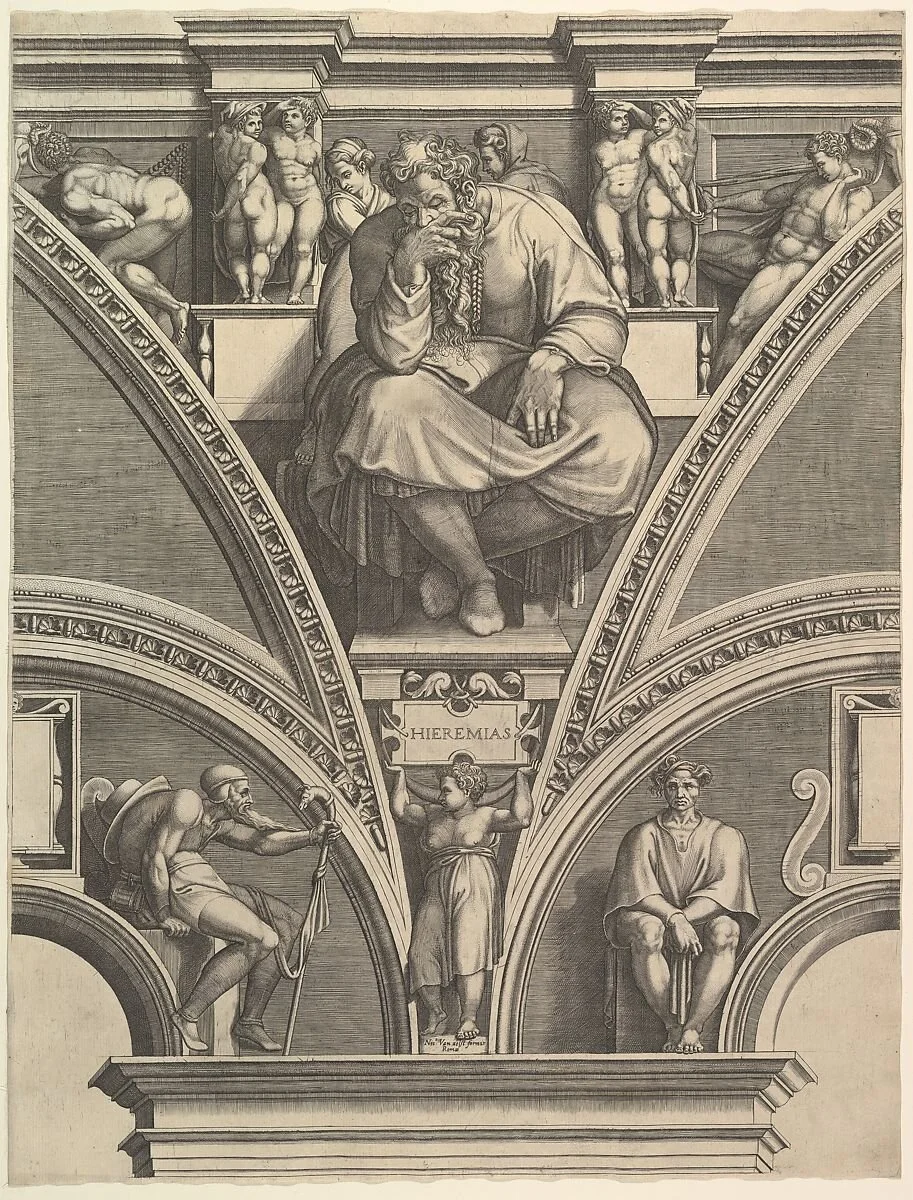
The Prophet Jeremiah, from the series of Prophets and Sibyls in the Sistine Chapel (1570–75), Giorgio Ghisi

The Prophet Jeremiah, from the series of Prophets and Sibyls in the Sistine Chapel (1570–75), Giorgio Ghisi

We slow down our readings this week as we finish up Isaiah and begin Jeremiah. The final readings of Isaiah for this week comprise what many scholars call 3 Isaiah. The themes are significantly more uplifting and hopeful. The oracles speak after the exile, and try to infuse hope and promise into a return to the promised land. We see this in a unique emphasis on sacrifice and Sabbath.

Leaving Isaiah, we begin Jeremiah - the longest book of the Bible by word count (unless you combine the two books of Kings, Chronicles, or Samuel). The opening verses set the context; the prophet is active in the time period between Assyria’s decline and Babylon’s rise. Born in a small village near Jerusalem, Jeremiah works in Judah, the southern kingdom. We may recall from Kings & Chronicles, that King Josiah was one of the best, if not the best, king as far as religious and ethical reforms. But his reign was cut short when he died in battle.

These opening chapters likely bring oracles from the period after Josiah’s death, as the threat of Babylon became imminent and Judah sought refuge anywhere but the Lord.

Day One: Isaiah 56-59

Day Two: Isaiah 60-63

Day Three: Isaiah 64-66

Day Four: Jeremiah 1-3

Day Five: Jeremiah 4-6

Day Six: Jeremiah 7-9

Guest User
Readings: July 25-31
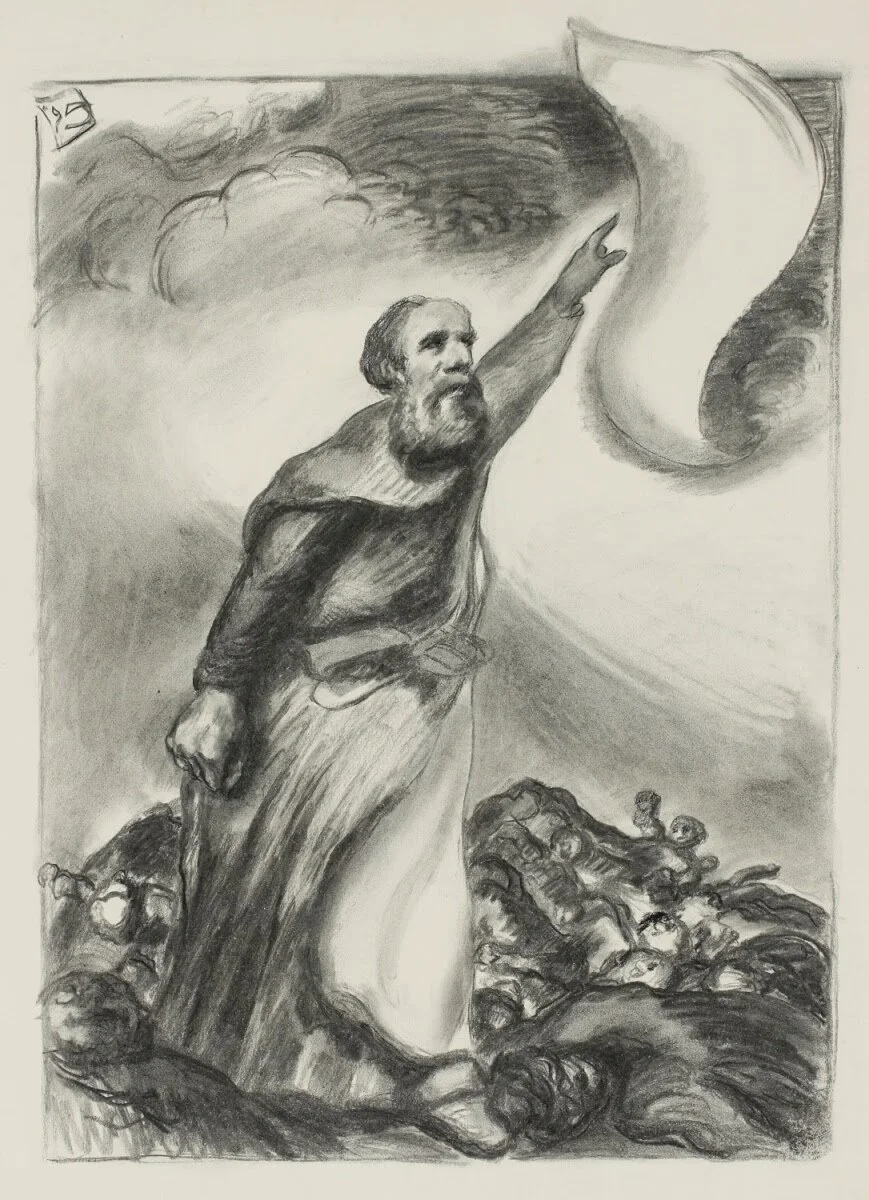
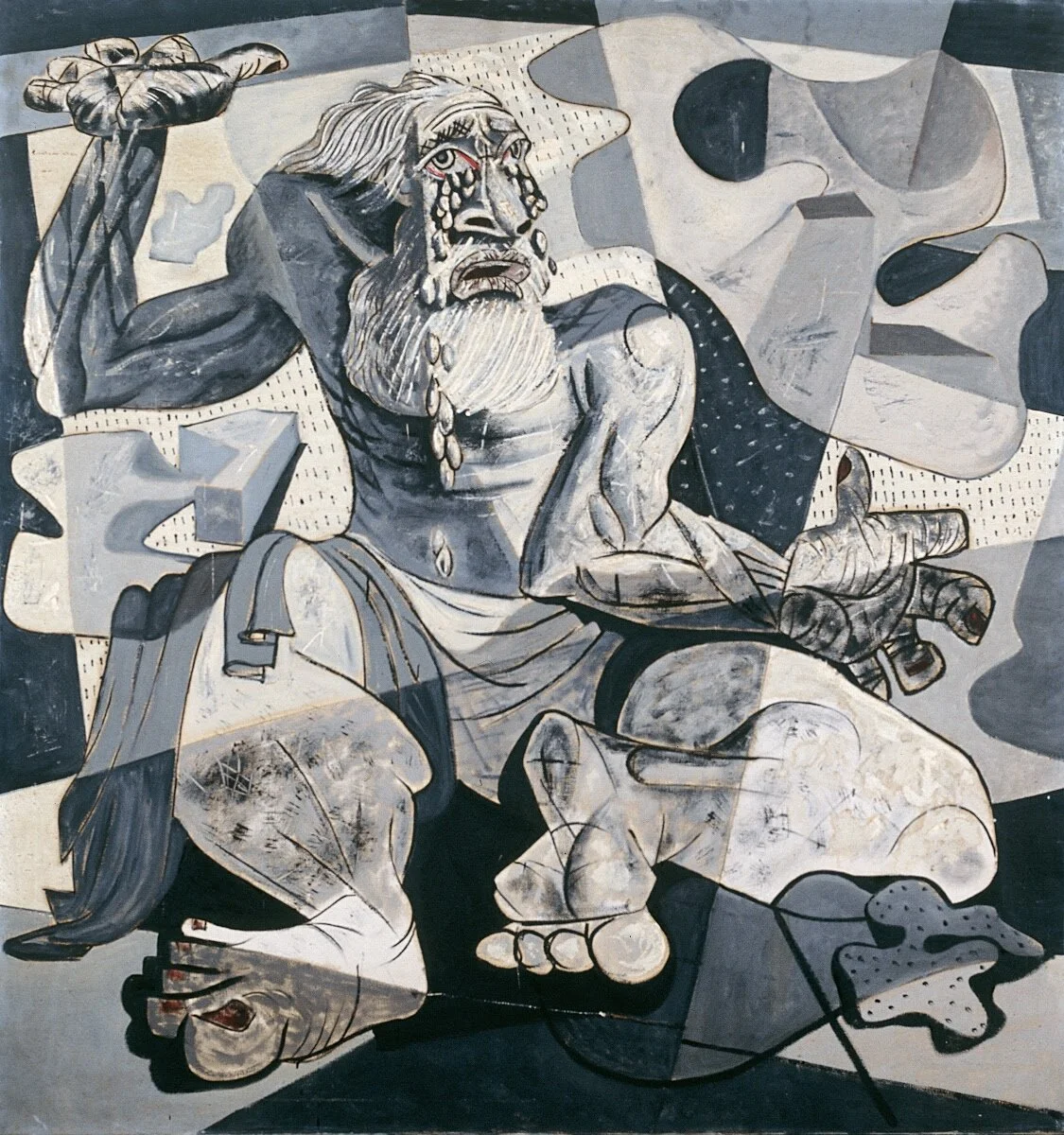
Isaiah 34 (1943), Ludwig Meidner

Isaiah 34 (1943), Ludwig Meidner

My apologies for a late post and minimal commentary from last week. Here I will provide a fuller overview of the book of Isaiah.

Most scholars agree that there are at least three books within Isaiah. The first section, Isaiah 1-39, occurs before the Babylonian exile. There are references to the Assyrian threat, but Isaiah works in the southern kingdom of Judah, which ultimately survives that crisis. We hear the classic prophetic voice: one that warns of danger if Jerusalem & its leaders do not adhere to God’s calls for justice and rejection of idolatry. Isaiah paints a picture of what that city should look like when he refers to the New Jerusalem. But the path to renewal involves judgment for the old.

Chapters 40-55 appear to jump ahead 150 years with the opening words: “Comfort, O comfort my people, says your God. Speak tenderly to Jerusalem, and cry to her that she has served her term, that her penalty is paid, that she has received from the Lord’s hand double for all her sins.” In this section, we shift from from warning to restoration. The exile is over, and the needs of the people are no longer the same as the opening chapters. Now, our ears turn to hope, and we hear a call to faith in God despite the trauma of exile.

We’ll read many familiar verses that recall Jesus. There are words from Handel’s Messiah. Then, there is the introduction of the suffering servant, which will undoubtably remind us of Jesus’ trial and crucifixion.

Day One: Isaiah 26-30

Day Two: Isaiah 31-35

Day Three: Isaiah 36-40

Day Four: Isaiah 41-45

Day Five: Isaiah 46-50

Day Six: Isaiah 51-55

Guest User