Readings: March 7-13
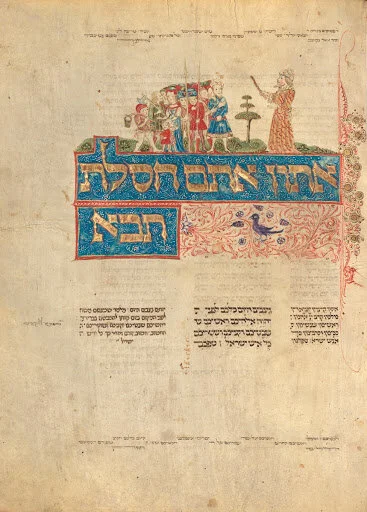
Moses Addressing the Israelites Joel ben Simeon (about 1450–1500)

Moses Addressing the Israelites
Joel ben Simeon (about 1450–1500)


"Hear, O Israel: the LORD our God, the LORD is one." Deuteronomy 6:4

This verse is known as the Shema, and for millenia captures the heart of Jewish, monotheistic faith. Remember, anytime we read “LORD” - that is shorthand for the personal name of God (YHWH) revealed to Moses in Exodus 3. In this creed, Israel professes their faith in one God, the God of Abraham/Isaac/Jacob and the God who delivered them from slavery in Egypt.

It’s fitting that a summary verse is found in Deuteronomy. This book can be read as three farewell sermons from Moses before the people cross into the promised land. What are the most critical memories for them to carry with them? The name of the book comes from the Greek for second (deuter) law (nomos), a reminder that Moses broke the first set of tablets at the sight of the golden calf.
Guest User
Readings: February 28 - March 6

We’ll gather for our monthly encouragement and sharing on Wednesday, March 3 at 7:30 p.m. via Zoom. Join through this link or use the following credentials (Meeting ID: 819 5358 6799, Passcode: westbury)

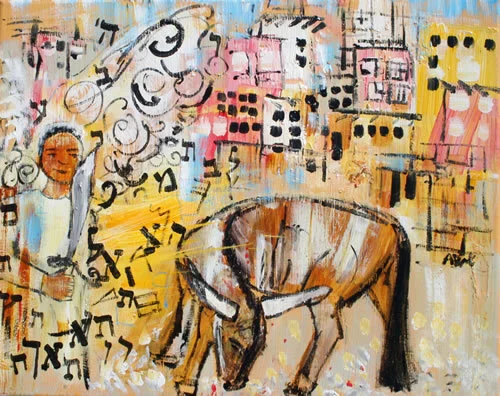
Balaam's Donkey Sees the Angel (2017), Alyse Radenovic

Balaam's Donkey Sees the Angel (2017), Alyse Radenovic


In that odd sense of parallelism with history, we read of how the appearance of the Hebrews/Israelites troubles their ancient near East neighbors. How do you defeat God’s people? Direct battles are a lost cause. Balak tries to hire a prophet, but Balaam can only bless the Israelites. But we do see the people stumble when they are seduced by Moab and begin to bow to Baal.

Do the people improve over the course of this book? Where have you found yourself in the journey of the Israelites? How can a people be formed to know and follow God when surrounded by enemies?

The importance of land is reinforced by the final story of Numbers. Numbers recognizes again and again the need to trace your inheritance back to a sacred text, and this story legitimizes the daughters of Zelophehad. This is where we remember what a radical precedent was set, and the account is forever enshrined in Scripture.

Guest User
Readings: February 21-27
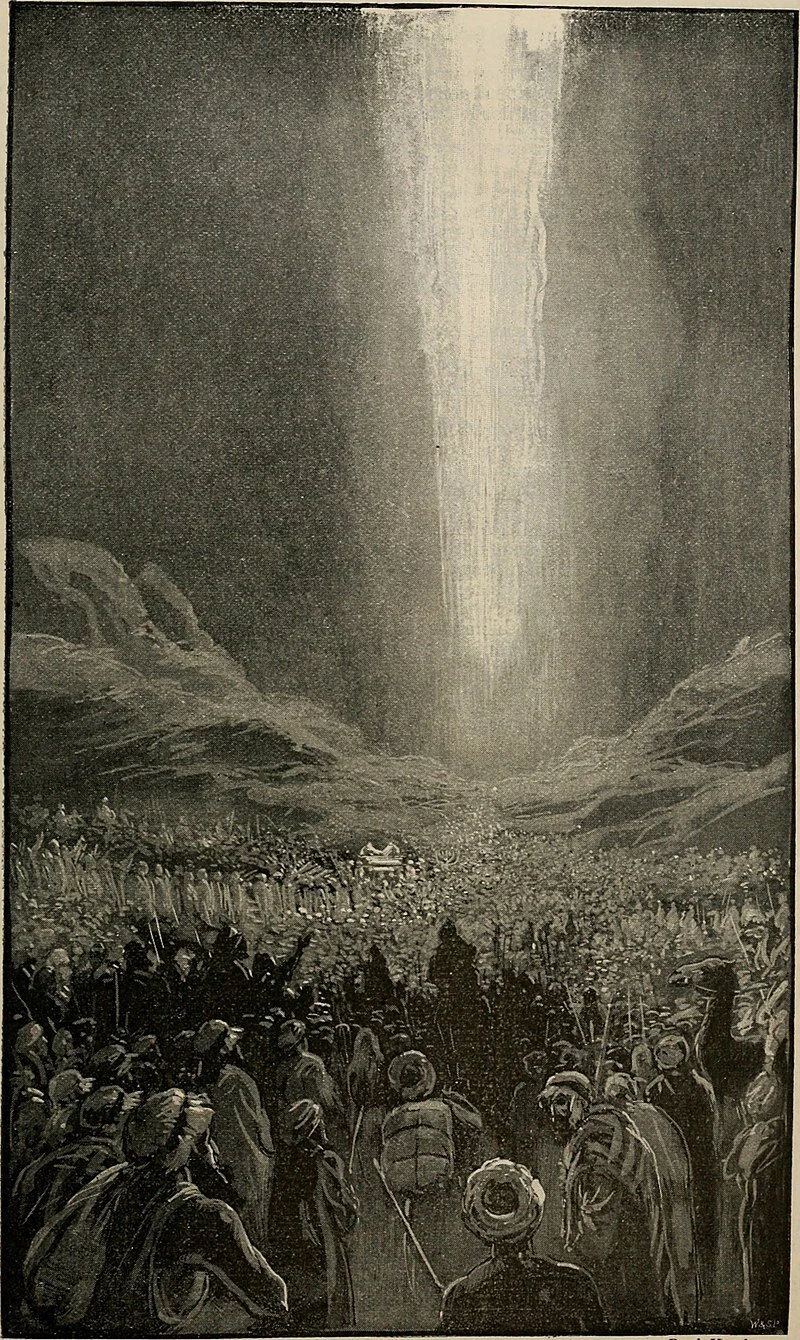
The Pillar of Fire by Paul Hardy (1896)

The Pillar of Fire by Paul Hardy (1896)


One helpful metaphor for the Book of Numbers is the comparison to adolescence. Exodus is the birth of a new people, Leviticus is the rulebook, and Numbers is how the people grow up. The Hebrews must be tested, must make mistakes, and must learn trust before entering the Promised Land. That helps explain passages like the repetitive directions to follow the pillar of cloud & fire in chapter 9.

The comparison to adolescence also lands because the theme of rebellion appears again and again. There are quails, Aaron & Miriam, spies, Korah, Moses at Meribah, and the bronze serpent. And we cannot avoid the unsettling violence that God doles out in these chapters.

Yet, somehow the people persist and persevere - even when God attempts to start over Moses. These stories are a messy, open, and honest portrayal of relationships - and how God and Israel continue to strive to be together.

Guest User
Readings: February 14-20
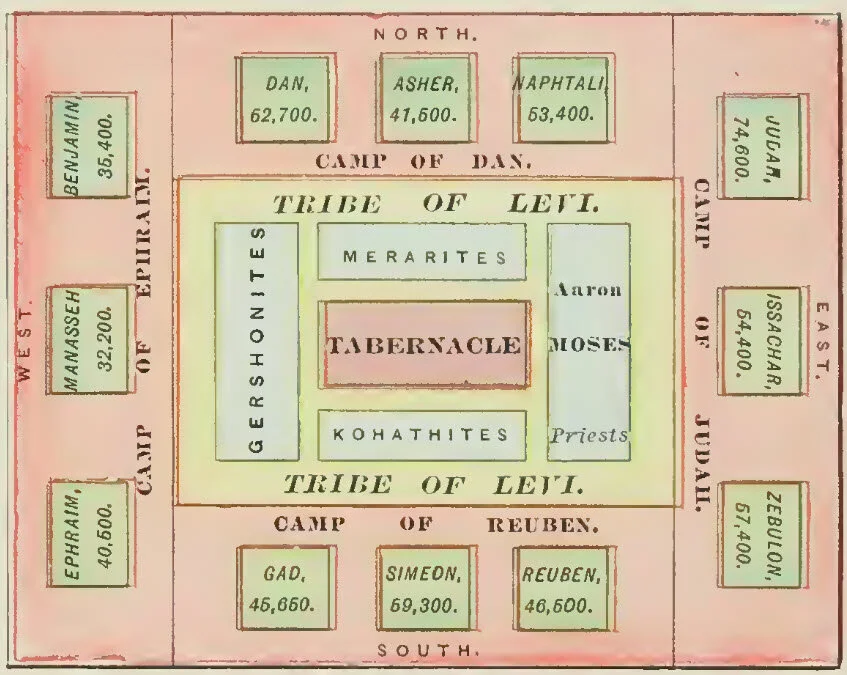
israelites-camped-around-tabernacle.jpg

Congratulations! You’ll have finished Leviticus by the middle of this week. Holiness plays a major thematic role in these chapters. And it’s a reminder that holiness is created by our actions. Leviticus 23 also makes me reflect on festivals and how they form us. This past week saw the Lunar New Year, Valentine’s Day, Mardi Gras, and Ash Wednesday.

Don’t let the opening chapters of Numbers deter you from what’s ahead. Yes, there are a lot of numbers, but perhaps reflect on why preserving these records across generations was so important to God’s people. Remember, we’re returning to the Hebrews wandering between Egypt and the promised land, learning how to be a people of God.

Guest User
Readings: February 7-13
Agnus-Dei: The Scapegoat, James Tissot (1886)

Agnus-Dei: The Scapegoat, James Tissot (1886)


Don’t be intimidated as you begin to read Leviticus. Try and get a sense of God’s priorities as you read all the laws and codes. Remember, this is a people emerging from years of slavery. How does one begin to build a society that can flourish? What laws would you put in place? Imagine how these laws give structure to a newly formed people.

For example, pay special attention to Leviticus 16 which details the Day of Atonement or Yom Kippur. How do the different elements of this high holy day communicate atonement of sin for the people? Like this chapter, much of the law addresses the repair and maintenance of relationships.

Guest User
Readings: January 24-30

We’re meeting online this week for a check-in on Wednesday night at 7:30 p.m. We’ll have a chance to share what we’re learning, hear stories, ask questions, and encourage one another.

We’ll use Google Meet to gather; just click on the link below through your web browser.
meet.google.com/fjx-ukbk-inp
Phone: 617-675-4444‬
PIN: ‪818 405 678 5571#‬

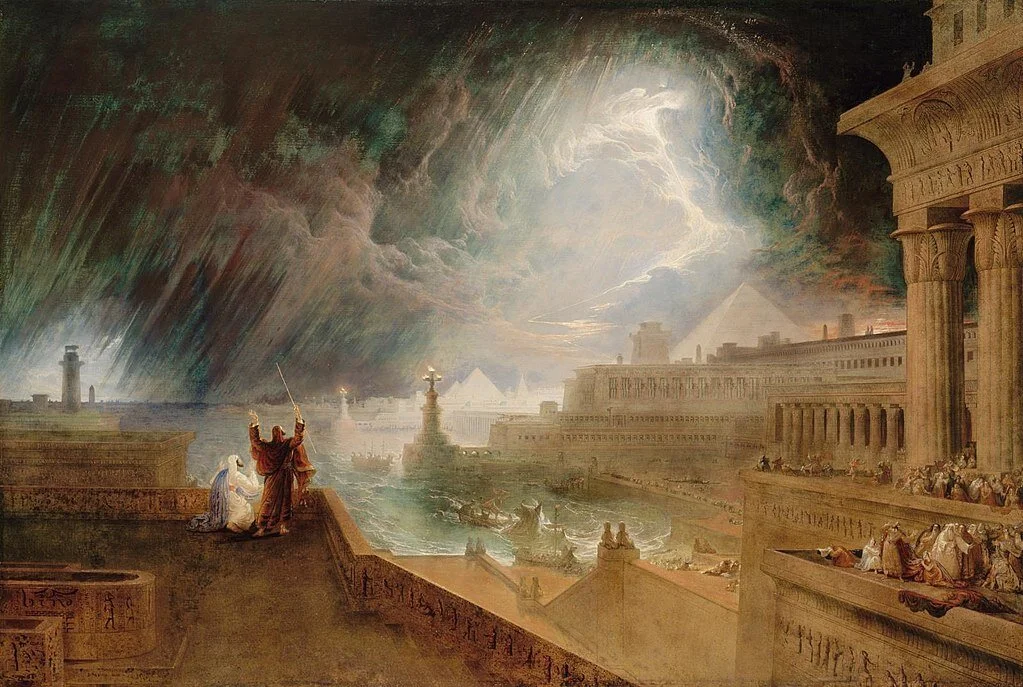
Seventh Plague of Egypt, John Martin (1823)

Seventh Plague of Egypt, John Martin (1823)

This week we read the full drama of the Exodus story. There are many theories for why God sent these ten specific plagues. One popular explanation is that God confronts each of the gods of Egypt - from the river Nile god to Ra, the sun god. But it does not quite explain every plague with what we know about Egypt’s religion. Regardless of the specific reason, YHWH, the God of the Hebrews, demonstrates a complete and total victory over the most powerful nation at the time, freeing an enslaved people.

Now comes the challenging part after liberation: becoming a nation of God’s people. These laws are meant to form the people in the image of God, seeking justice, peace, and love through regulation. While these laws may feel archaic to our ears, imagine how revolutionary it would seem in a world where inequality and unfairness were assumed.

Guest User