
Readings: January 17-23
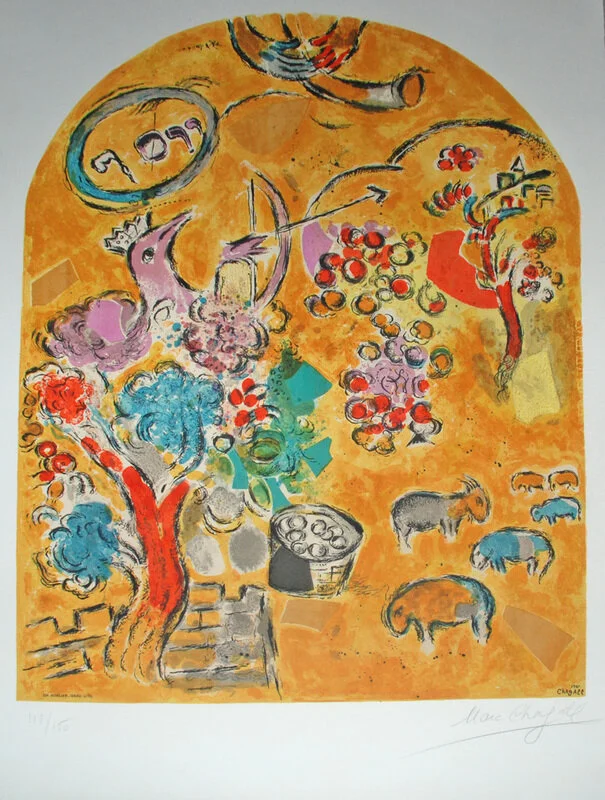
The Tribe of Joseph, Chagall (1962)

The Tribe of Joseph, Chagall (1962)

Apart from a disturbing interlude about Judah and Tamar, the bulk of our readings take us to the story of Joseph. These readings are a different genre of literature. There are more story details. Emotions are front and center. And God does not speak through the long story. In many ways, the story of Joseph resembles a short story or novella, a remarkable development given the age of this Scripture.

In Exodus, pay attention to how the table is set for God’s dramatic showdown with Pharaoh and all of Egypt. How are we introduced to the Hebrews? to Pharaoh? to Moses? to God? What expectations are laid at each point in this story? While Genesis tells the origin stories of many things, Exodus can rightly be seen as the origin story of the Hebrews and when an identity as an ethnic group emerged.
Guest User
Readings: January 10-16
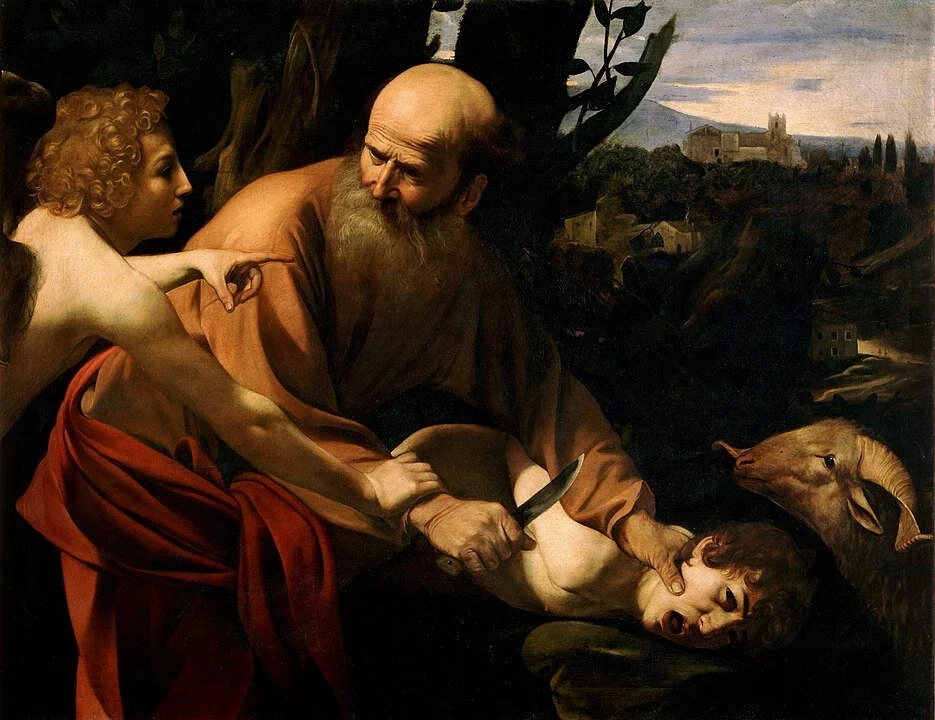
Sacrifice of Isaac, Caravaggio (1603)

Sacrifice of Isaac, Caravaggio (1603)

Day One: Genesis 21:22-24:27

Day Two: Genesis 24:28-26:35

Day Three: Genesis 27-29

Day Four: Genesis 30:1-31:42

Day Five: Genesis 31:43-34:31

Day Six: Genesis 35:1-37:24

My apologies for not posting a guide for the first week of readings. The primary theme of the opening eleven chapters of Genesis is explanation. It’s a chance to tell us why the world is the way it is. From creation to the fall of man, from the flood to languages, these are origin stories. And at the end of last week, we were introduced to Abram, as God reaches out to one man and his family.

This week’s readings continue with Abram, now Abraham. And the genre has shifted; we are now reading family clan/tribe stories. In these ancient times, the concern that weighed most heavily is having children, and specifically biological sons. If Abraham or Isaac or Jacob doesn’t have a son, then what do we make of God’s promise? That is often the tension, and especially for the reading on the first day when God asks Abraham to sacrifice their long awaited and loved son Isaac.

The other theme to note is how family relationships are stretched and tested: between Jacob and Esau, between Rachel and Leah. God is less present than the first eleven chapters, but note the times when God does act.

Guest User
Reading the Bible in a Year

Let’s read through the Bible together this year! The plan is to read straight through from Genesis to Revelation. (We may skip a few psalms to finish on time.) Each Sunday, the six readings for the week will be posted. During the week, we’ll share some insight into the particular readings for the week. Then near the end of each month, we’ll gather for a virtual call (and maybe in-person later in the year) to chat about how reading the Bible is surprising, challenging, guiding, and comforting us.

Here are a few tips as you being the journey:

  • To finish the Bible in a year, we will be reading fast. This is different from devotional reading where you ruminate on a phrase or even a word. Use this opportunity to see how the story and themes emerge across multiple chapters.

  • Create a reading space to nurture this habit. Maybe the dining room table or a favorite chair.

  • Start with a simple prayer of illumination. Offer your own prayer at the moment, or invite God with this prayer:

O Lord, your Word is a lamp to our feet and a light to our path. Give us grace to receive your truth in faith and love, and strength to follow on the path you set before us; through Jesus Christ, Amen.

  • Write in your Bible! Find a Bible that you’re not afraid to jot notes in or highlight. Not only does this help you remember what you’ve read, years from now - you can also see what struck you as important.

  • Just do it! If you fall behind or can’t start right away, just join with whatever readings are given for the week. Life gets busy - so if you need to step away, come back when time allows.

Guest User